Microsoft’s water‑sustainability plan aims to cut billions of gallons while AI workloads surge, and it’s already delivering measurable savings. If you’re wondering how a tech giant can grow its AI services without drowning in water use, the answer lies in a blend of advanced cooling, zero‑liquid‑discharge recycling, and transparent telemetry. Microsoft’s approach stands in sharp contrast to how other tech and defense firms are scaling infrastructure, such as Redwire’s role in the Golden Dome contract. Keep reading to see how these steps reshape the industry.
- Microsoft’s 2026 Water‑Positive Goal Explained
- Why AI Increases Data‑Center Water Demand
- AI‑Optimized Cooling: How Machine Learning Cuts Water Use
- Zero‑Liquid‑Discharge (ZLD) Membranes in Microsoft Data Centers
- Real‑World Results: Water Savings at Azure Virginia
- Comparing Microsoft’s Water Strategy to Competitors
- Regulatory Pressures Shaping Water Management
- Business Benefits of Microsoft’s Water‑Saving Initiatives
- Practical Steps for Enterprises Using Azure
- Emerging Technologies That Could Transform Water Use
- FAQ
- Conclusion
- Trusted Sources and References
Microsoft’s 2026 Water‑Positive Goal Explained
Microsoft has pledged to become water‑positive by 2030, meaning it will return more water to the environment than it consumes. The immediate 2026 target is to achieve a 30 % reduction in data‑center water intensity per compute unit.
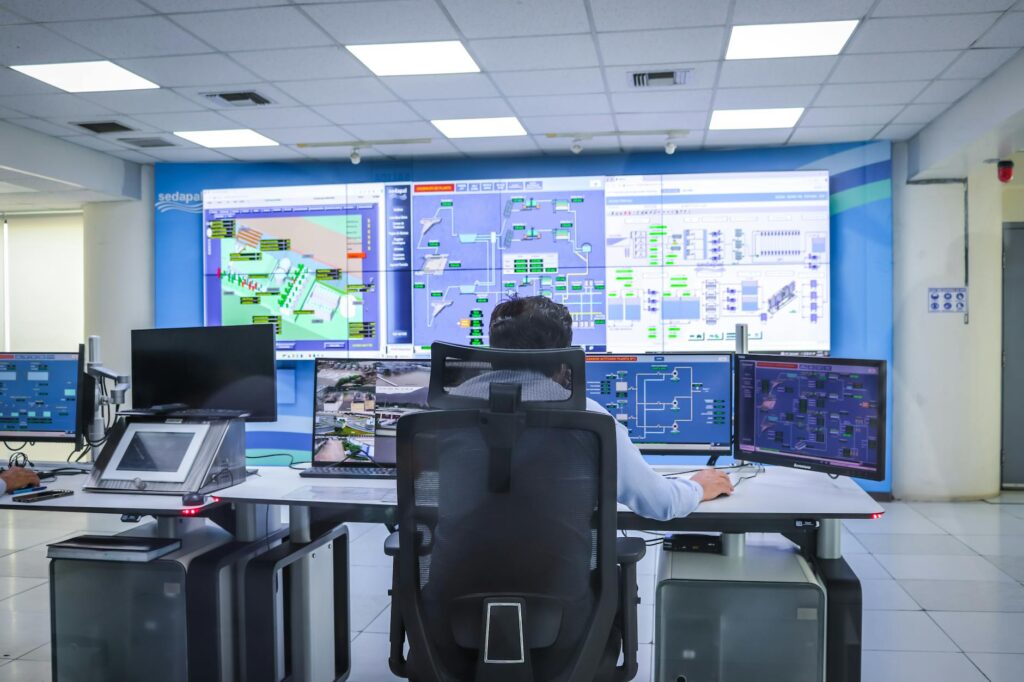
To meet this, the company is deploying AI‑driven monitoring through its Microsoft sustainability platform, which captures real‑time usage across every site. This telemetry feeds third‑party audits by the Carbon Disclosure Project, ensuring public accountability. By quantifying each kilowatt‑hour’s water footprint, Microsoft can pinpoint inefficiencies and direct resources where the impact will be greatest.
Why AI Increases Data‑Center Water Demand
AI training workloads generate up to three times more heat than traditional applications, forcing cooling systems to work harder and consume more water.
An IDC study from 2025 predicts a 45 % rise in global AI‑driven data‑center water demand by 2030. Microsoft’s internal forecasts echo this, projecting a 28 % increase in water draw for Azure AI services alone by 2027. The surge is not merely a technical issue; it creates regulatory exposure in water‑scarce regions such as California and Western Australia, where local authorities are tightening usage caps.
The regulatory pressure around AI infrastructure mirrors other high-stakes tech debates, including the Trump Netflix Warner deal that reshaped market oversight expectations.
AI‑Optimized Cooling: How Machine Learning Cuts Water Use
Microsoft’s AI‑optimized cooling system uses dynamic chillers that adjust coolant flow in real time based on server heat maps.
Machine‑learning models predict hotspots minutes before they occur, allowing chillers to pre‑emptively redirect water only where needed. This results in an average 12 % reduction in water flow without sacrificing performance. Additionally, waste heat is captured and repurposed for district heating, further decreasing the need for separate cooling loops. Compared with legacy static cooling, the AI‑driven approach delivers measurable savings while maintaining the high availability required for AI workloads.
Zero‑Liquid‑Discharge (ZLD) Membranes in Microsoft Data Centers
Zero‑Liquid‑Discharge technology filters and re‑condenses water, achieving up to 98 % reuse within a closed loop.
Microsoft has rolled out ZLD membranes at 30 % of its global sites, aiming for 50 % by 2028. IoT sensors continuously monitor membrane performance, triggering automatic cleaning cycles that prevent fouling and extend lifespan. Unlike conventional recycling that still discharges some brine, ZLD eliminates liquid waste entirely, allowing data centers to operate independently of external water supplies—a critical advantage in drought‑prone areas.
Real‑World Results: Water Savings at Azure Virginia
Azure Virginia implemented both AI‑optimized chillers and ZLD membranes, saving 4.2 million gallons of water in 2025.
Senior facilities engineer Laura Chen reports a 15 % drop in water flow after the chillers were fine‑tuned, while ZLD reclaimed nearly all wastewater for reuse. The site also saw a 22 % increase in AI workload capacity, demonstrating that water efficiency does not compromise computational power. These results have become a template for other regions, informing Microsoft’s broader corporate pledge.
Comparing Microsoft’s Water Strategy to Competitors
Google, Amazon, and IBM each have water‑reduction programs, but Microsoft’s AI‑specific tactics are more aggressive.
Google aims for net‑zero water by 2030, relying on advanced evaporative cooling; Amazon targets a 50 % reduction by 2025 through workload scheduling; IBM focuses on hybrid liquid‑air cooling for a 30 % cut by 2027. Microsoft, by contrast, combines AI‑driven chillers, ZLD membranes, and a water‑credit marketplace, positioning it ahead of peers in both ambition and technical execution. The Bloomberg ESG report (2025) notes that investors are allocating over $1.2 trillion to water‑positive firms, giving Microsoft a financial edge.
Investors are already comparing sustainability performance when deciding which AI stock beats the other in long-term portfolios.
Regulatory Pressures Shaping Water Management
New laws in California, the EU, and Australia require real‑time water telemetry and impose penalties for excess consumption.
California’s SB 1005 mandates water‑intensity reporting for data centers exceeding 10 MW, while the EU’s Water‑Efficiency Directive (2025) levies a 5 % fine on facilities that surpass baseline usage. Australia’s Water‑Security Act (2026) demands live telemetry for large‑scale cloud operators. Non‑compliance can trigger fines up to $10 million and even operational shutdowns. Microsoft’s proactive deployment of telemetry and ZLD technology ensures it remains ahead of these regulations, safeguarding customer workloads from disruption.
Government scrutiny over resource use also extends beyond water, as seen in the recent EPA Musk turbines AI controversy.
Business Benefits of Microsoft’s Water‑Saving Initiatives
Water efficiency translates directly into lower operating costs, stronger ESG credentials, and reduced regulatory risk.
Water bills represent up to 8 % of a data‑center’s OPEX; a 30 % cut can save roughly $150 million annually for Microsoft. ESG‑focused investors are rewarding water‑positive firms, driving a $1.2 trillion allocation according to the Bloomberg ESG report. Azure’s water‑credit marketplace lets enterprises offset their own water footprints, creating a differentiator in sustainability‑driven procurement. Early compliance also avoids retrofitting expenses that could exceed $500 million per site if regulations tighten later.
Practical Steps for Enterprises Using Azure
Enterprises can align with Microsoft’s water goals by auditing AI workloads, purchasing water credits, and selecting ZLD‑enabled regions.
First, use Azure Cost Management combined with the Azure Water Insights dashboard to identify high‑water jobs and aim for a 10‑15 % reduction. Second, buy water‑credit offsets directly from the Azure Marketplace to achieve immediate net‑positive impact. Third, migrate workloads to regions flagged with “ZLD” in the portal, which can cut water use by up to 25 % per compute unit. Finally, integrate the Azure AI Cooling SDK to allow automatic chill‑er adjustments, delivering an extra 5‑12 % water saving each month.
Emerging Technologies That Could Transform Water Use
Quantum‑cooling and bio‑inspired membranes are early‑stage innovations that may dramatically lower water consumption.
Microsoft’s Station Q is experimenting with cryogenic cooling that could reduce water use by 70 % for specific AI workloads. Parallel research with MIT on aquaporin‑based filters promises near‑zero water loss in ZLD systems. Edge‑AI water monitoring sensors are also being deployed at the rack level, enabling micro‑adjustments that collectively save millions of gallons annually. While still in pilot phases, these technologies could redefine the water‑AI equilibrium by the early 2030s.
FAQ
Why does AI increase water usage more than regular computing?
AI training generates higher heat per compute hour, which forces cooling systems to pump more water to maintain safe temperatures. This heat‑to‑water ratio is roughly three times that of traditional workloads.
What is a Zero‑Liquid‑Discharge system?
ZLD removes all dissolved solids from wastewater, condensing it back into pure water that can be reused on site. Microsoft’s ZLD membranes achieve up to 98 % water reuse.
Can I see my Azure workload’s water consumption?
Yes. The Azure Water Insights portal provides live dashboards that break down water use by service, region, and workload type.
Do water‑saving measures affect AI performance?
No. AI‑optimized cooling dynamically balances temperature and water flow, preserving compute speed while reducing water use.
How do water‑credit offsets work?
Customers purchase credits that fund water‑saving projects such as new ZLD plants. Each credit neutralizes a specific volume of water used by the buyer’s workloads.
Are there cost incentives for using water‑efficient Azure regions?
Microsoft offers up to a 5 % discount on compute rates for workloads run in ZLD‑enabled data centers.
What happens if a region experiences a drought?
Regions equipped with ZLD and closed‑loop recycling can operate without external water sources, ensuring continuity even during severe droughts.
How does Microsoft verify its water‑positive claims?
Third‑party auditors from the Carbon Disclosure Project and Sustainalytics conduct annual audits, publishing results in Microsoft’s Environmental Report.
When will quantum‑cooling be available to customers?
Microsoft expects a beta release of quantum‑cooling technology in Q4 2026, initially for select research partners.
Conclusion
Microsoft’s blend of AI‑optimized cooling, ZLD recycling, and transparent telemetry shows that rapid AI growth can coexist with aggressive water‑sustainability goals.
Trusted Sources and References
- Microsoft sustainability page
- Carbon Disclosure Project (CDP) audit reports
- Bloomberg ESG report, 2025



I’m Fahad Hussain, an AI-Powered SEO and Content Writer with 4 years of experience. I help technology and AI websites rank higher, grow traffic, and deliver exceptional content.
My goal is to make complex AI concepts and SEO strategies simple and effective for everyone. Let’s decode the future of technology together!